Premium tyres represent advanced engineering, extensive research, and rigorous testing from manufacturers who invest millions in tyre technology development. While initial costs exceed budget alternatives, premium tyres deliver measurable advantages in performance, safety, fuel efficiency, and longevity that justify the investment over the tyre’s lifespan.
The difference between premium and budget tyres extends far beyond brand recognition. Premium manufacturers employ advanced compound formulations, innovative tread pattern designs, and precision manufacturing processes that budget alternatives simply cannot match. These technological advantages translate directly into real-world benefits that affect your daily driving experience and long-term costs.
Superior Safety Performance
Shorter braking distances in wet and dry conditions provide critical safety margins in emergency situations. Advanced tread compounds maintain grip across varying temperatures, while optimized water dispersion patterns resist hydroplaning even in heavy rain. Independent testing consistently demonstrates premium tyres stop 3-5 meters shorter than budget alternatives at 50 mph – potentially the difference between a near-miss and an accident.
Studies conducted by organizations including ADAC and TÜV SÜD show premium tyres deliver superior lateral grip during emergency lane changes. The enhanced stability helps drivers maintain control when unexpected hazards appear. This performance advantage becomes particularly noticeable in wet conditions where budget tyres struggle to maintain adequate grip.
Better hydroplaning resistance through deeper grooves and advanced tread patterns keeps you safer during heavy rainfall. Premium tyres can disperse up to 30 liters of water per second at motorway speeds, maintaining contact between rubber and road surface when budget tyres lose grip.
Understanding Tyre Safety Ratings →
Enhanced Fuel Efficiency
Lower rolling resistance reduces fuel consumption measurably with every journey. EU tyre label ratings typically show A or B classifications for premium brands, compared to C, D, or E for budget alternatives. This difference translates to real savings – premium tyres can reduce fuel consumption by 0.3-0.5 liters per 100 kilometers compared to budget tyres with higher rolling resistance.
Over a typical 40,000-mile tyre lifespan, fuel savings alone can offset £150-200 of the premium tyre investment. Advanced silica compounds in premium tyres reduce internal friction while maintaining grip levels, achieving the difficult balance between efficiency and safety that budget manufacturers struggle to replicate.
Environmental benefits extend beyond personal cost savings. Reduced fuel consumption means lower CO2 emissions – premium tyres contribute to reducing your vehicle’s environmental impact. For drivers covering high annual mileage, the efficiency gains become increasingly significant both financially and environmentally.
How Tyres Affect Fuel Economy →
Longer Tread Life
Advanced rubber compounds resist wear more effectively than budget alternatives, extending usable tread life substantially. Premium manufacturers offer mileage warranties up to 80,000 miles on select ranges – confidence in longevity that budget brands cannot match. Better cost-per-mile value emerges when calculating total ownership rather than focusing solely on initial purchase price.
Premium tyres maintain consistent performance throughout their lifespan rather than degrading rapidly after initial wear. The compounds retain their grip characteristics even as tread depth reduces toward replacement thresholds. This consistency means safety and performance remain predictable for the entire service life.
Michelin’s EverGrip technology exemplifies premium innovation – expanding rain grooves actually improve wet performance as the tyre wears. Continental’s multi-compound treads place harder-wearing rubber in the center with grippier compounds at the shoulders. These engineering approaches extend tread life without compromising safety, justifying the premium positioning through superior longevity.
Maximizing Tyre Lifespan →
Superior Comfort & Noise Reduction
Advanced tread pattern design minimizes road noise significantly compared to budget alternatives. Computer-optimized pitch sequences break up the resonance frequencies that create intrusive cabin noise. Better vibration damping delivers smoother ride quality, reducing driver fatigue on long journeys and enhancing passenger comfort.
Precision manufacturing ensures optimal balance from the moment tyres are fitted. Premium tyres require minimal correction weights during balancing, reflecting tighter manufacturing tolerances. This precision translates to smoother running at all speeds without the vibrations that plague cheaper alternatives.
EU noise ratings typically show 68-70 dB for premium tyres compared to 71-74 dB for budget options. While three decibels might seem minimal, the logarithmic scale means premium tyres produce approximately half the perceived noise. Technologies like Pirelli’s Noise Cancelling System and Continental’s ContiSilent take quietness further with foam inserts that absorb cavity resonance.
Understanding Tyre Noise Ratings →
Premium tyre manufacturers invest heavily in continuous innovation, translating millions in research spending into tangible advantages for drivers. Technologies like Michelin’s EverGrip wet braking system, Continental’s ContiSeal self-sealing technology, and Pirelli’s Noise Cancelling System demonstrate the engineering superiority that justifies premium pricing through measurable performance benefits.
The choice between premium and budget tyres represents an investment decision rather than a simple purchase. When evaluated across the tyre’s complete lifespan, considering safety advantages, fuel savings, extended wear, and reduced noise, premium tyres consistently deliver superior total value. Our team at IQ Tyres Mitcham provides detailed cost-benefit analysis helping you understand how premium tyres justify their positioning through real-world advantages.

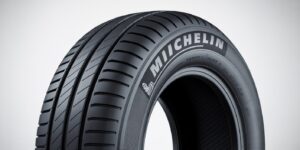
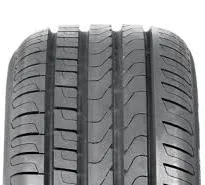

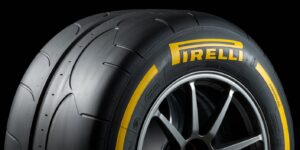 Pirelli Cinturato P7